
Commercial & Industrial Waterproofing
Protecting Buildings with Professional Waterproofing
Waterproofing is one of the most effective ways to prevent structural damage, reduce long-term repair costs, and extend the life of commercial and industrial buildings. RCR Services provides 25+ years of expert commercial waterproofing across Adelaide, Melbourne, Sydney, and Newcastle.
Our team works with a wide range of systems, including liquid-applied membranes, torch-on membranes, sheet membranes, negative waterproofing membranes, and epoxy coatings. By selecting the right solution for each project, we ensure efficiency, durability, and compliance with industry standards.
Handled by certified technicians, every project is delivered with a focus on safety, quality, and reliable performance. From roofs and podiums to basements and retaining walls, RCR offers commercial waterproofing services that protect assets and provide long-term value.
Our Waterproofing Services
Our waterproofing services cover all areas of commercial and industrial buildings, from roofs and facades to below-ground structures. We apply advanced systems and techniques to protect assets, improve durability, and prevent water ingress across a wide range of applications.
- Flat concrete roof waterproofing
- Balcony and facade waterproofing
- Basement waterproofing
- Planters and garden beds
- Podium decks
- Lift wells
- Retaining walls
- Window waterproofing
- Damp course replacement
- Penetration sealing
- Brick and stone sealing
- Positive and negative waterproofing
- Installation of TPO and PVC membranes
- Specialised preparation of existing membranes before a new application
Trusted Expertise in Waterproofing
Our technicians begin with a detailed evaluation, recommend the right system for each site, and complete installation with safety and compliance as priorities. With over 25 years of experience, RCR is relied upon for commercial waterproofing projects across Sydney, Melbourne, Adelaide, and Newcastle.
We apply proven membranes, coatings, and detailing systems that resist water ingress, withstand environmental exposure, and extend the life of building assets.
How We Work
Step 1: Initial Evaluation
Step 2: Surface Preparation
Step 3: Waterproofing Application
Step 4: Drainage Integration
Step 5: Curing and Quality Control
Our Featured Projects
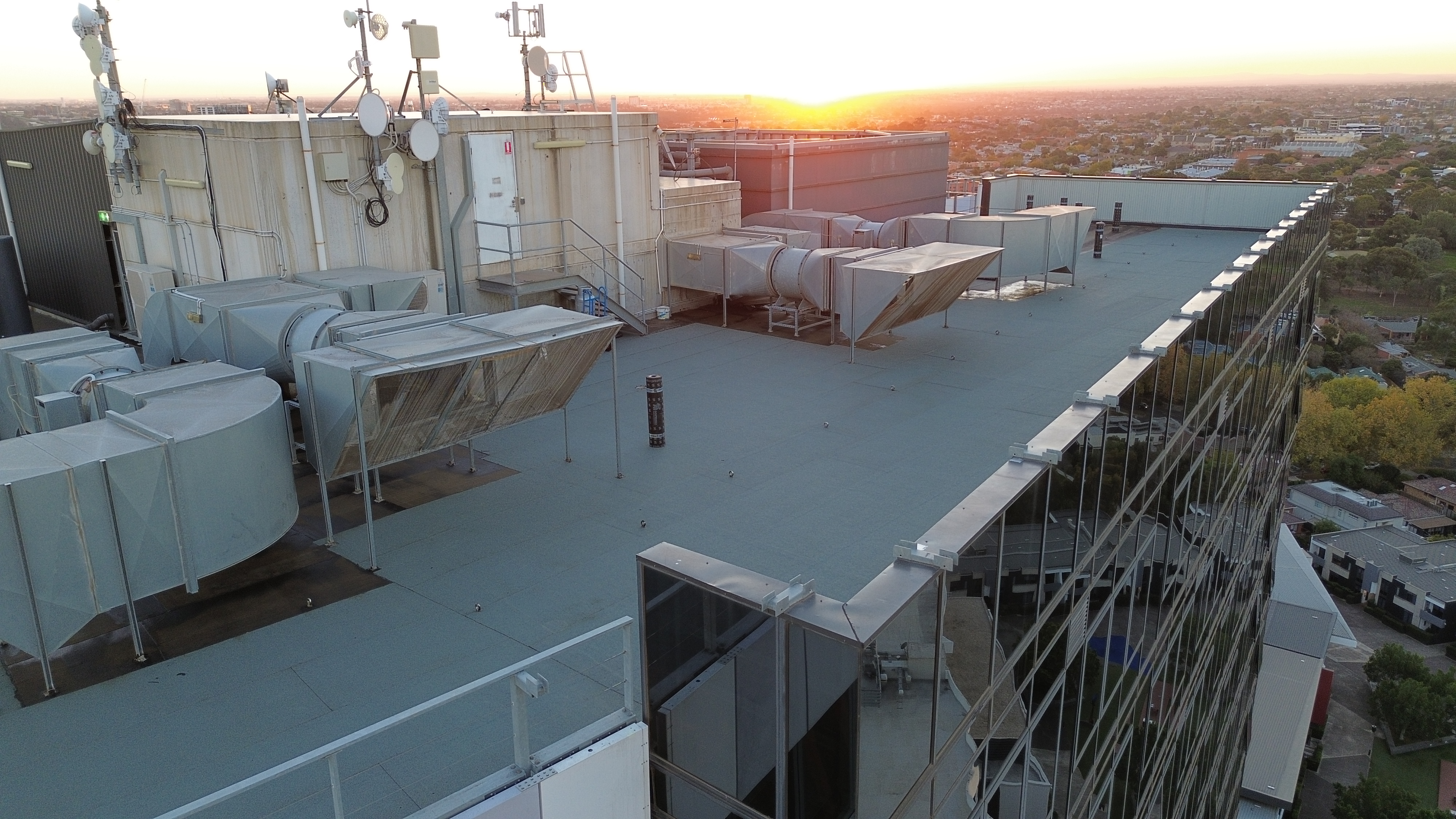
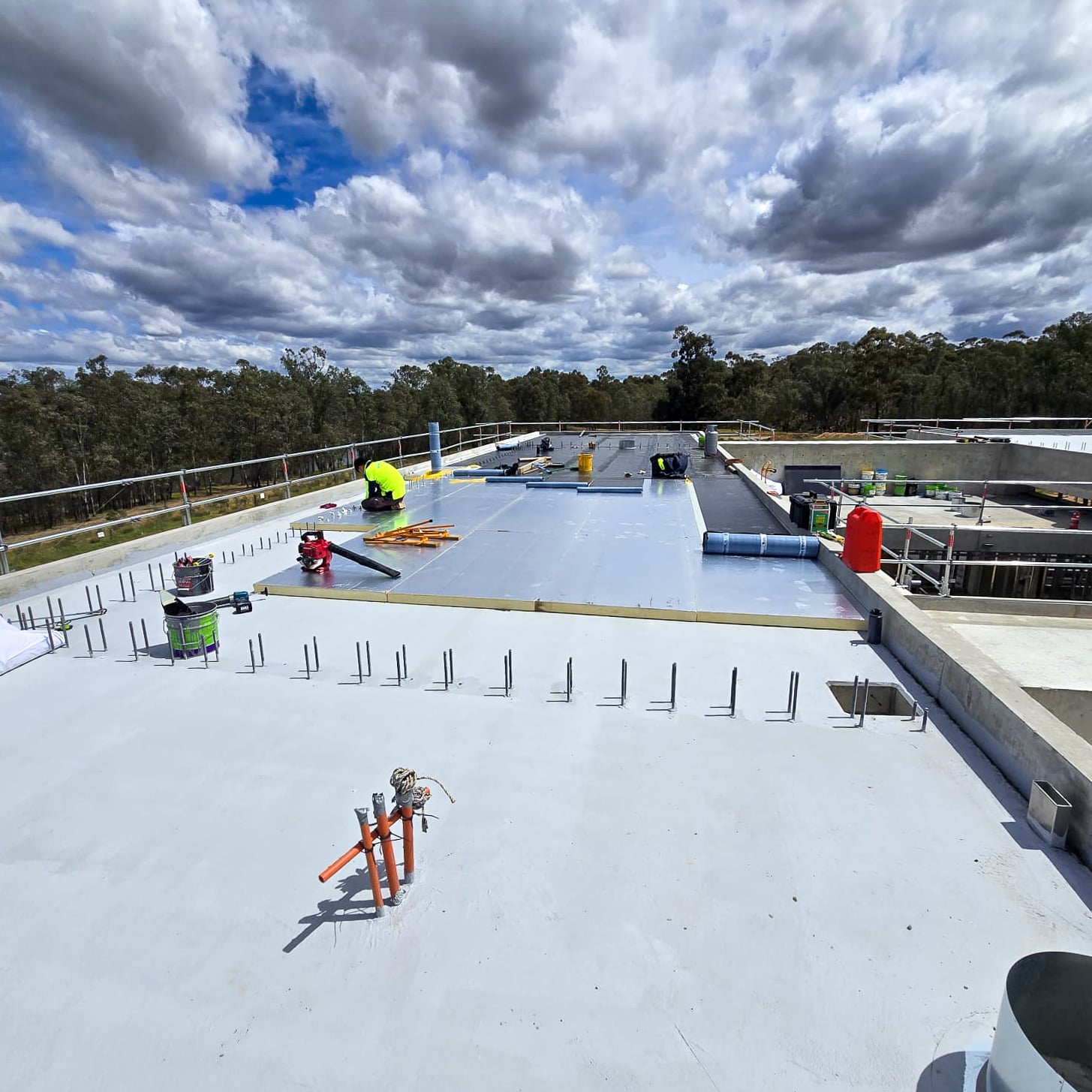
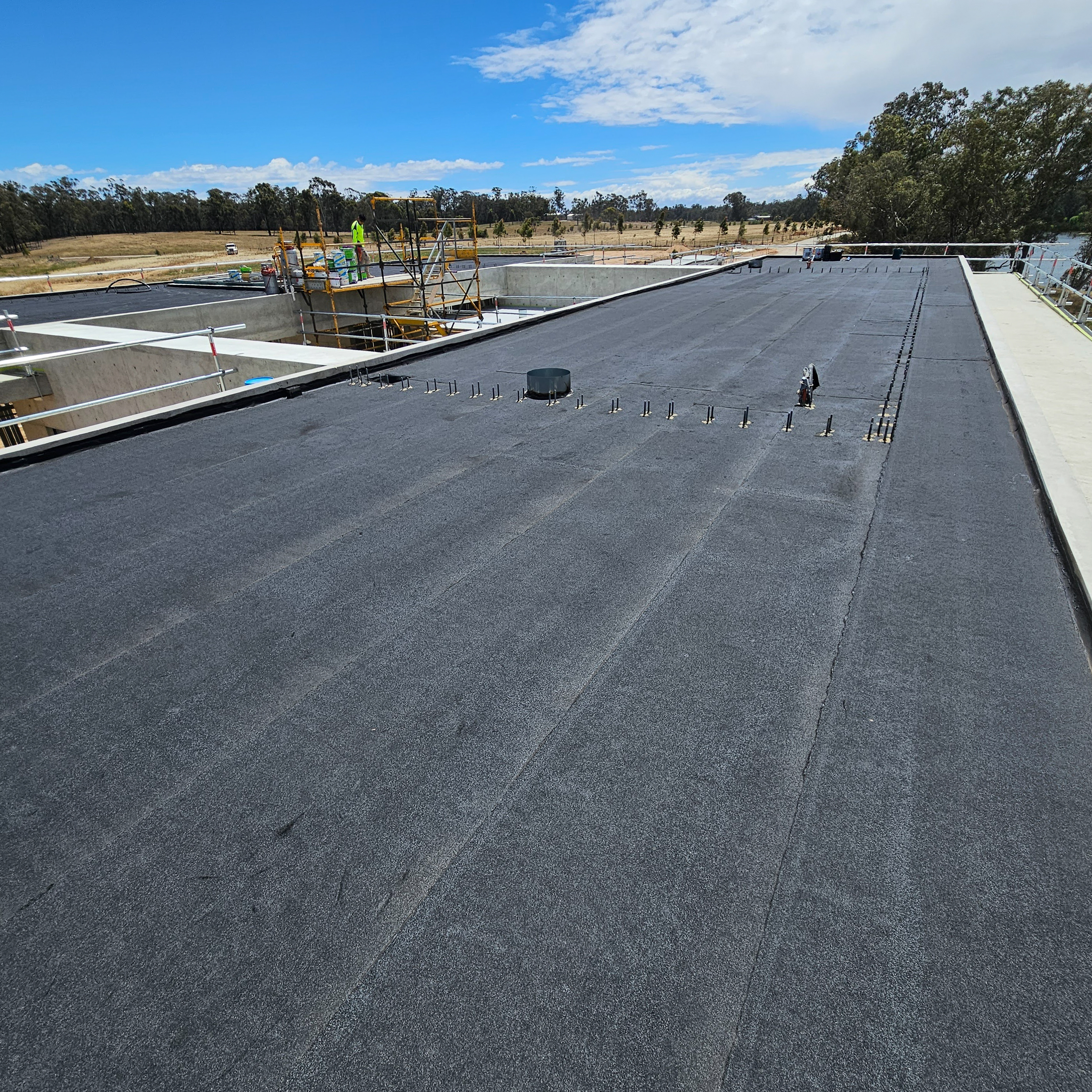
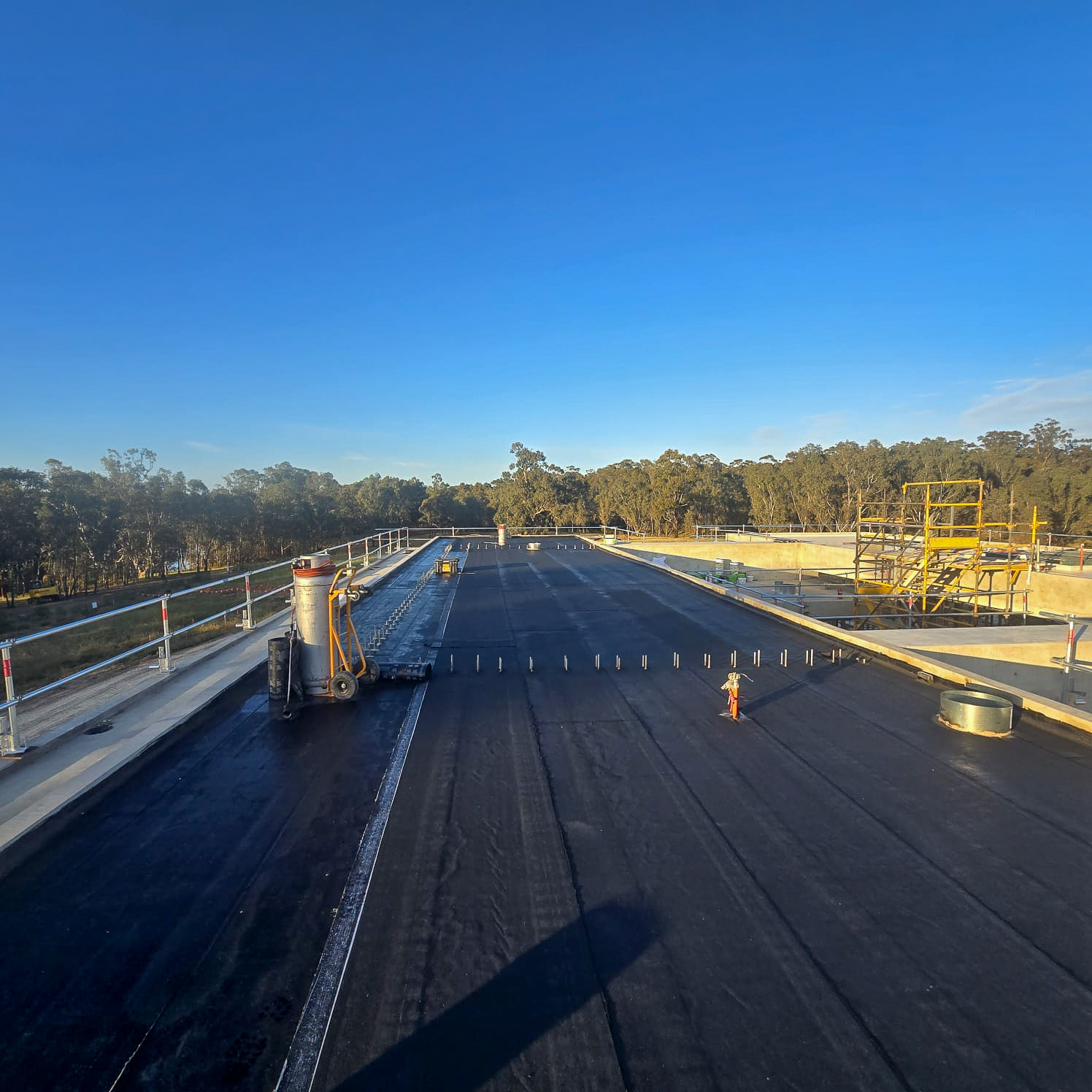
1 Collins street
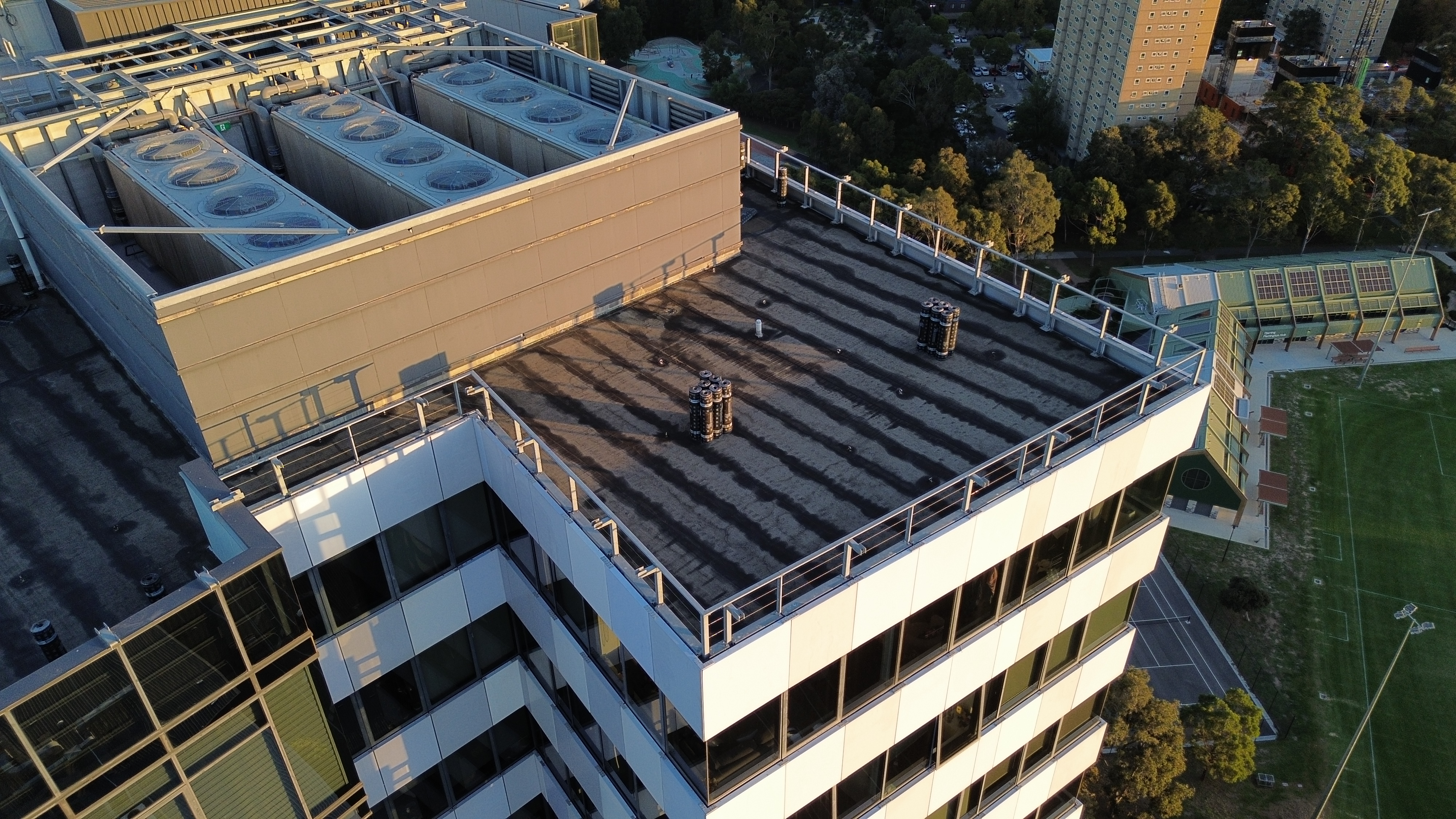
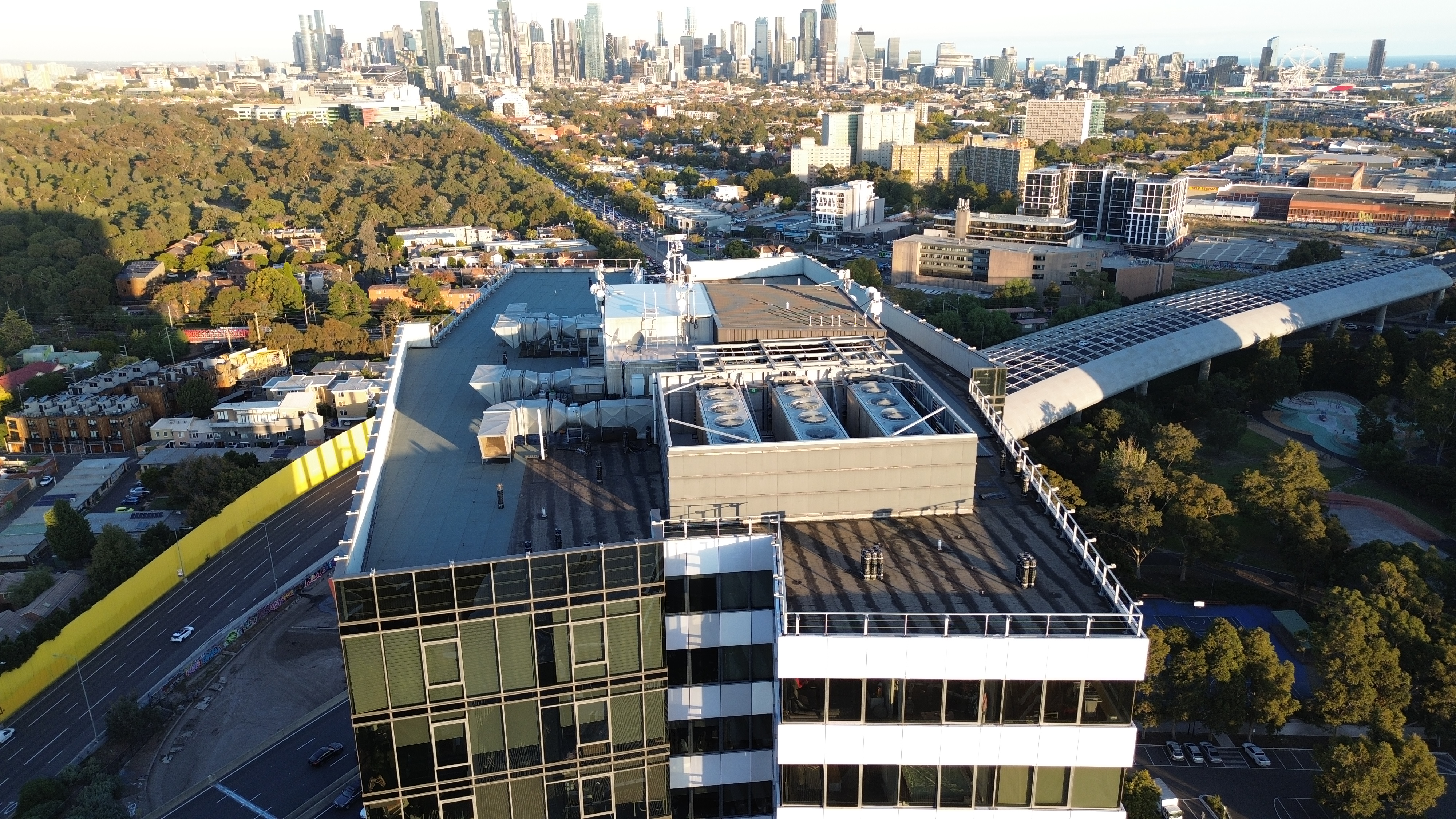
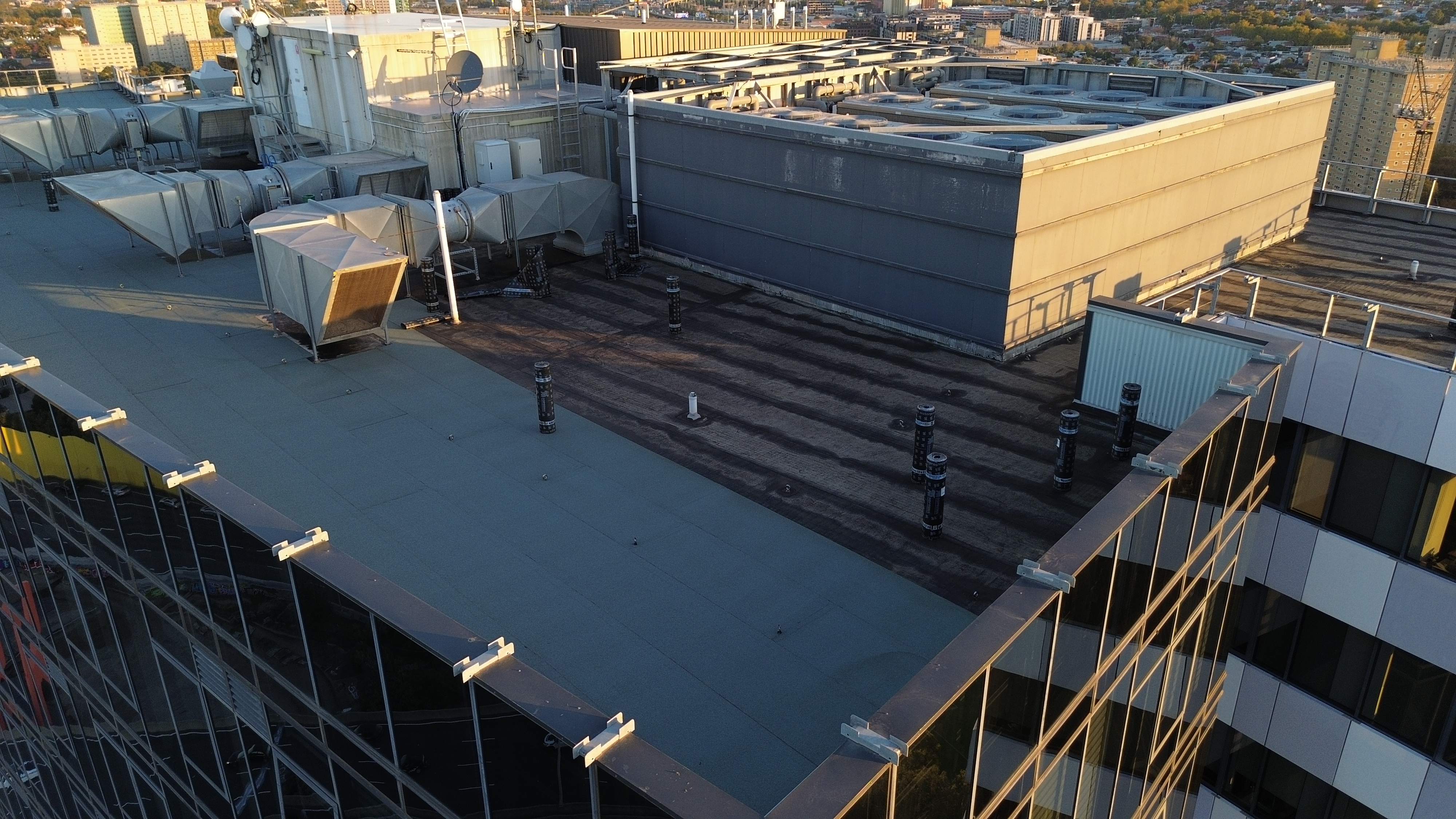
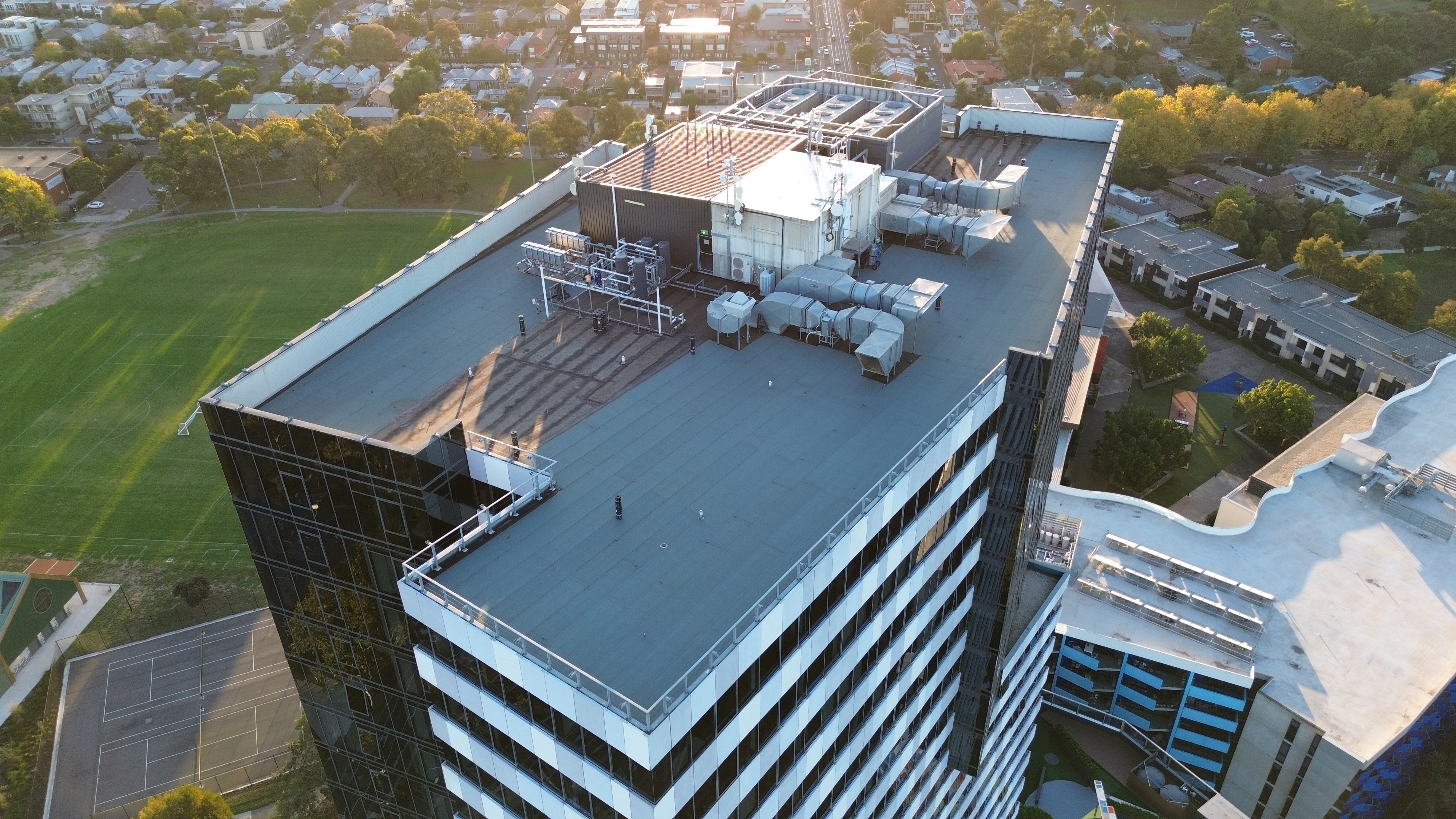
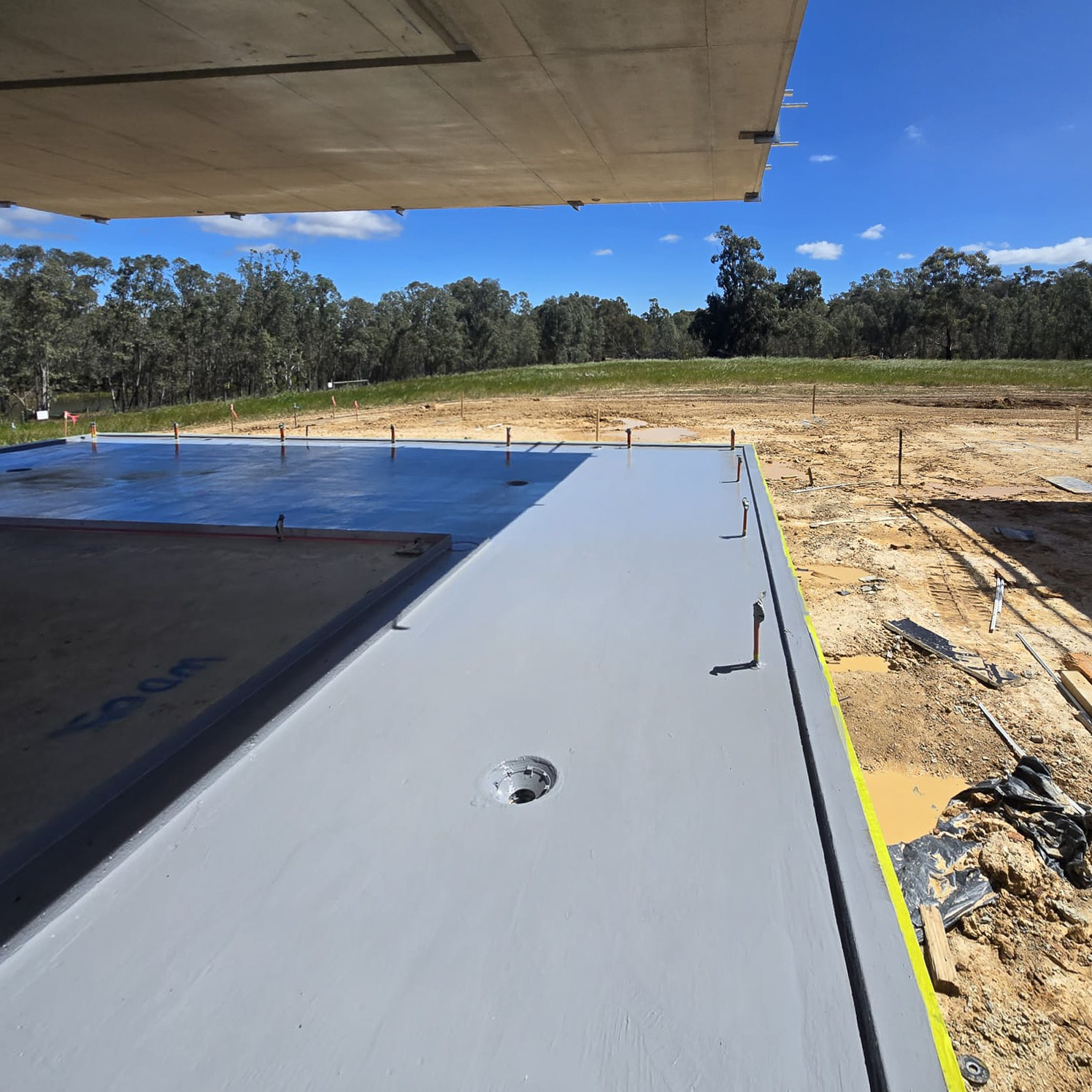
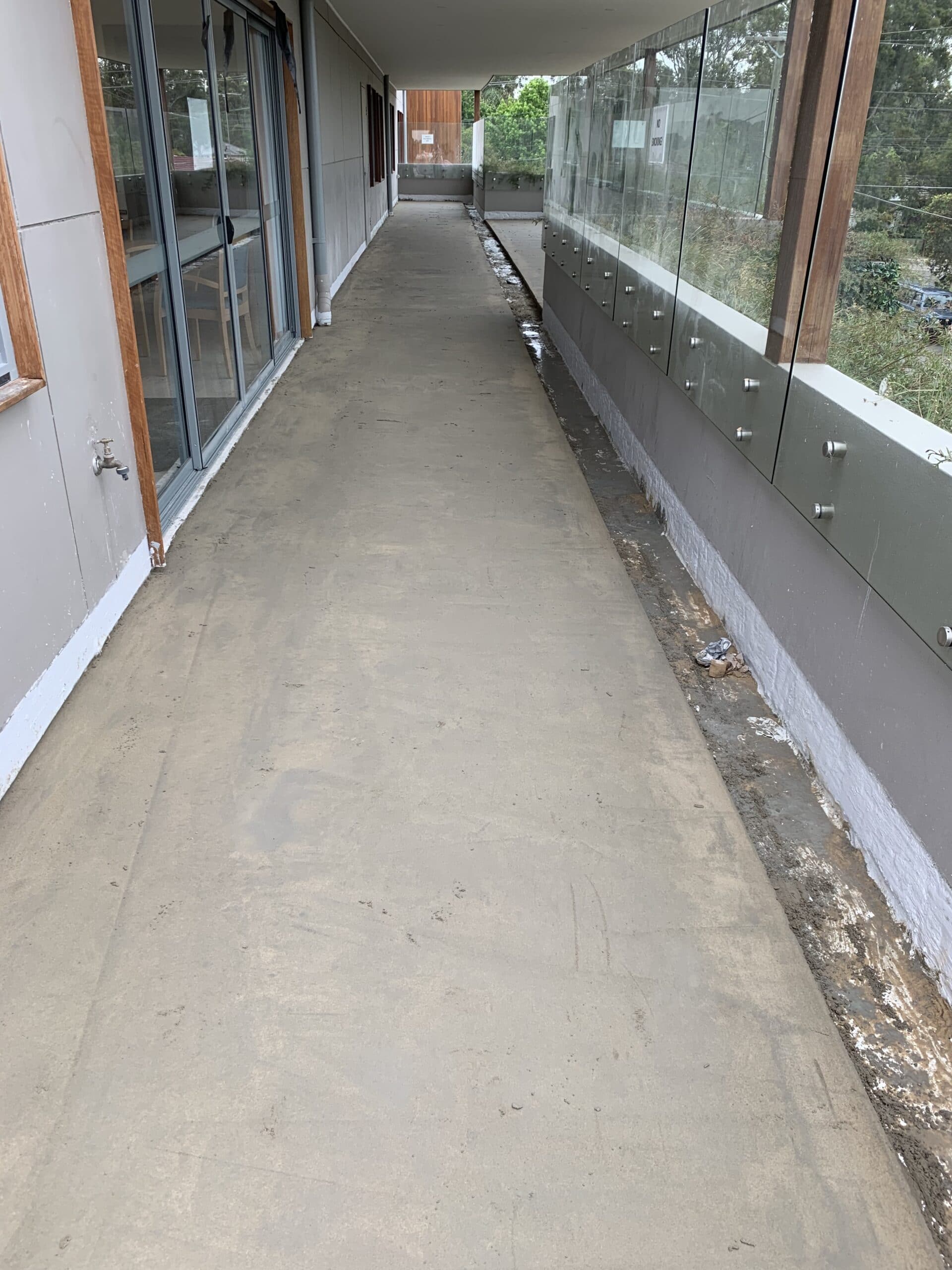
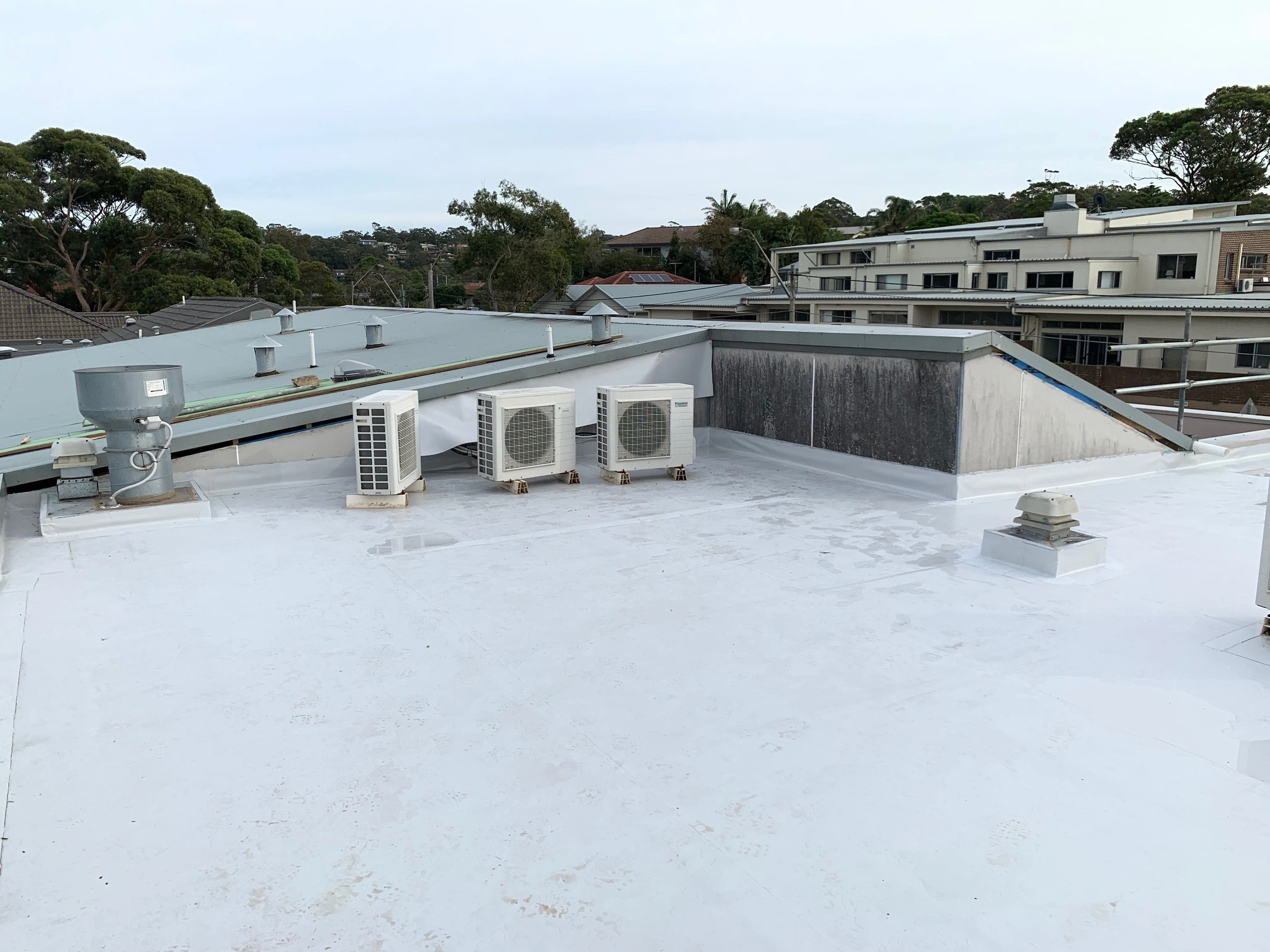
During inspection, we identified inconsistent waterproofing across both the upper and lower roof levels, which had resulted in water ingress. On the upper roof, the existing top slab was removed and prepared for the application of SikaShield Primer, Membrane, and Finish. On the lower roof, we prepared the surface, primed it, and applied sealant to all movement joints and wall-to-floor junctions. Additional waterproofing and Aluminium Oxide were installed to create a durable, non-slip coating that resolved the client’s concerns.




FAQ
What are the signs that my commercial building needs waterproofing?
Signs that a commercial building may require waterproofing include visible water stains on walls or ceilings, mould or mildew growth, peeling paint, blistering or bubbling of surfaces, and a noticeable musty odour. Other indicators can be leaks during heavy rainfall, standing water or puddles near the foundation, and increased humidity inside the building. Structural damage, such as cracks in walls, floors, or foundations, can also suggest a need for waterproofing to prevent further deterioration.
What types of waterproofing systems are available for commercial properties?
There are several waterproofing systems available for commercial properties, including:
Liquid Membrane Coatings: These are applied directly to surfaces as a liquid that forms a protective barrier. They are commonly used on roofs, balconies, and decks.
Sheet Membranes: Typically made of rubber or thermoplastic materials, sheet membranes are applied to areas like foundations and flat roofs for robust water resistance.
Cementitious Waterproofing: This involves using a cement-based mixture to create a waterproof barrier. It is often used in basements and areas that require robust protection against moisture.
Bituminous Coating: A common method for waterproofing roofs and basements, this method involves applying a bitumen-based coating that provides a durable and flexible barrier against water.
Polyurethane Liquid Membrane: This is a more advanced form of waterproofing, ideal for areas exposed to the elements. It is often used for roofs and other external areas due to its high flexibility and resistance to harsh weather conditions.
How much does commercial waterproofing cost?
The cost of commercial waterproofing varies widely depending on the type of waterproofing system used, the size and condition of the building, and local market rates. Generally, waterproofing a commercial roof can range from AUD __ to AUD __ per square metre. For more extensive foundation waterproofing or structural waterproofing projects, costs can be significantly higher, ranging from AUD __ to AUD __ per square metre or more. It is advisable to obtain detailed quotes from specialised contractors to get an accurate estimate.
How often should commercial buildings be waterproofed?
The frequency of waterproofing for commercial buildings depends on the type of waterproofing system used and the environmental conditions to which the building is exposed. Typically, waterproofing membranes and coatings should be inspected annually and reapplied or repaired every 5 to 10 years. High-traffic areas or those exposed to harsh weather conditions may require more frequent inspections and maintenance. Regular inspections help identify potential issues early and prolong the lifespan of the waterproofing system.
GET A FREE CONSULTATION
Thank you for considering Roof and Concrete Remedial. Simply fill out the form, and our team will be in touch to see how we can help!